Choosing the right paint often feels like a simple task until you are standing in front of a wall of three hundred different shades of “white.” To the untrained eye, white is a blank canvas, but to a designer or a seasoned painter, it is a complex intersection of light, chemistry, and emotion.
As we move through 2026, the demand for sophisticated, intentional spaces has never been higher. Whether you are refreshing a coastal home in the Hamptons or modernizing a corporate headquarters, understanding the nuances of color is the difference between a space that feels “unfinished” and one that feels “curated.”
The Chameleon Effect: Why White is Never Just White
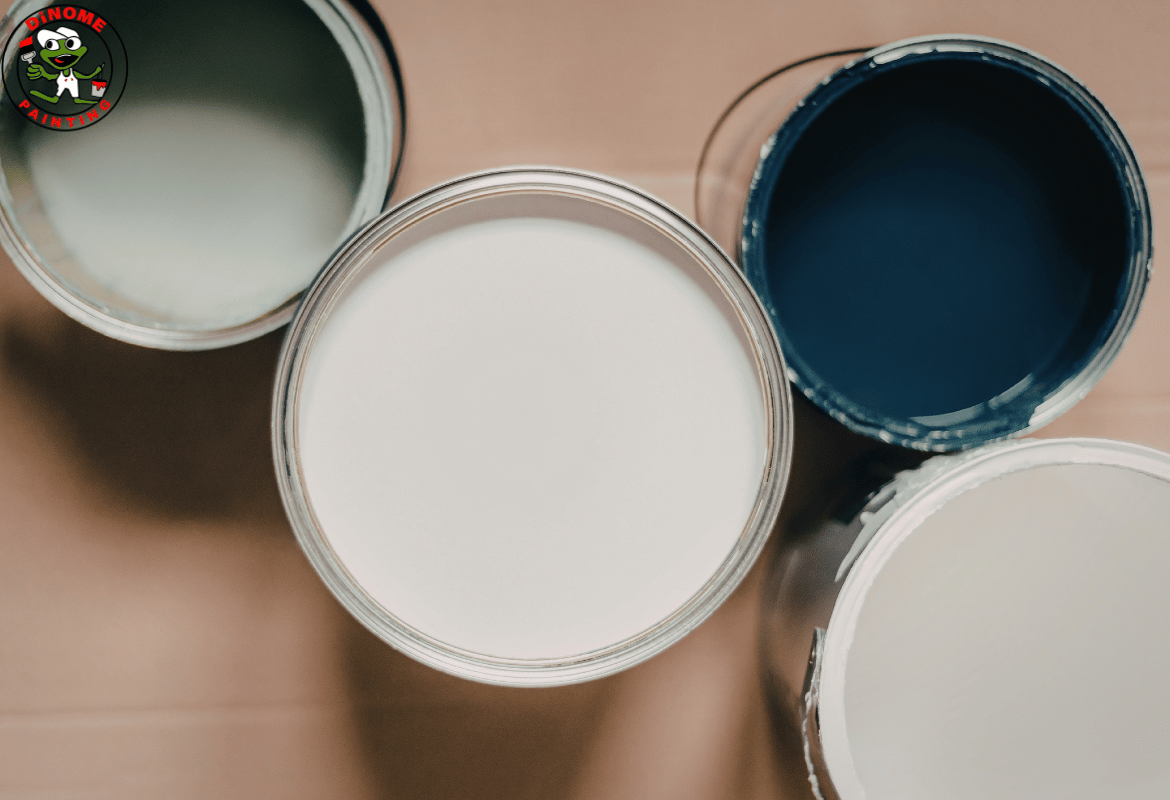
The recent insights from industry experts emphasize that white paint is a “chameleon.” It absorbs and reflects the world around it. The success of your interior design depends on your ability to identify the undertone of the white you’ve selected.
1. Warm vs. Cool: The Temperature of a Room
White paints are categorized by their “temperature,” which is dictated by the subtle pigments added to the base.
- Warm Whites: Infused with hints of yellow, beige, or red, these shades create an inviting, cozy atmosphere. In 2026, we see a massive resurgence in “clotted cream” and “sand” tones. These are perfect living rooms where you want to foster a sense of comfort.
- Cool Whites: These carry blue, gray, or green undertones. They provide a crisp, clinical, and modern aesthetic. They are the go-to for minimalist galleries or high-energy workspaces.
- Neutral Whites: These are the “pure” whites that lack a strong lean in either direction. They are the safest choice for a Professional Website backdrop or a space where the artwork and furniture need to do heavy lifting.
2. The Impact of Lighting
Before you commit to a color, you must consider your light source. North-facing rooms receive a cooler, bluish light that can make a cool white look “icy” or even depressing. Conversely, south-facing rooms are bathed in warm, golden light, which can turn a warm white into a muddy yellow.
Always follow the “Golden Rule” of sampling: paint a 12″ x 12″ swatch and observe it at three different times of day morning, noon, and under artificial LED lighting at night.
2026 Trends: Home & Office Paint Colors
In the current year, the “sterile gray” era has officially ended. Today’s Home & office paint colors are leaning heavily into what designers call “The New Neutrals.” We are seeing a shift toward grounded, earthy palettes that reduce “digital fatigue” from our constant screen exposure.
- For the Home: Deep, moody tones like Benjamin Moore’s Silhouette (a rich charcoal-espresso) are being used for “color drenching” where walls, trim, and even ceilings are painted the same dark hue to create a cocoon-like effect.
- For the Office: Wellness is the priority. Earthy greens and soft clays are replacing stark whites in conference rooms to promote focus and reduce stress. These colors harmonize beautifully with natural wood and stone materials.
Kitchen Transformations: The Power of Refinishing
The kitchen remains the heart of the home, but in 2026, homeowners are moving away from the all-white “lab” look. The trend now is high-contrast and nature-inspired hues.
If your cabinets are structurally sound but aesthetically dated, replacement is no longer the first choice. Specialized Kitchen Cabinet Repainting Southampton NY services are seeing a surge in requests for “Two-Tone” designs think navy blue or forest green lower cabinets paired with creamy, warm white uppers.
Using a factory-quality spray finish is essential here. A professional application ensures the paint can withstand the heat, moisture, and daily wear of a busy kitchen while providing a smooth-to-the-touch surface that looks brand new.
Beyond the Residential: Industrial and Commercial Excellence
While residential painting focuses on aesthetics and emotion, the industrial sector focuses on performance and longevity. In high-traffic or harsh environments, the “standard” paint just won’t cut it.
An Industrial Painting Service Southampton now utilizes advanced “smart coating.” These are not just decorative; they are functional. In 2026, we utilize:
- Antimicrobial Coatings: Essential for healthcare and food service environments to inhibit the growth of bacteria.
- Low-VOC Systems: Ensuring that businesses can resume operations quickly without the lingering smell of harsh chemicals.
- High-Build Epoxy: For floors and walls that need to withstand heavy machinery and chemical spills.
Industrial painting is increasingly seen as a strategic financial lever protecting assets from UV damage and corrosion, thereby extending the life of the building itself.
Conclusion: Trusting the Experts
Whether you are looking for a “White Tie” cream for your guest bedroom or a high-durability coating for a warehouse floor, the foundation of a great project is preparation. From repairing drywall to understanding the Kelvin rating of your lightbulbs, every detail matters. The right paint doesn’t just change the color of a wall; it changes the way you feel in a space. By balancing the technical science of undertones with the current trends of 2026, you can transform any environment into a masterpiece of design and durability.