Your home should feel comfortable the moment you walk through the door. The right paint can play a surprisingly important role in creating that feeling. Whether you’re refreshing a bedroom, updating a bathroom, or giving an older space a completely new look, color influences how a room looks, feels, and even responds to natural light.
For homeowners considering Residential Painting Companies Long Island, choosing a color is only the beginning. The finish, wall condition, existing décor, and amount of natural light all affect the result. A beautiful shade on a sample card can look completely different once it covers an entire wall.
The good news? You don’t have to rely on guesswork. With a little planning and a few professional painting techniques, you can create rooms that feel calmer, brighter, warmer, or more inviting.
Start With the Feeling You Want
Before picking up a paint swatch, think about the mood you want the room to create.
A bedroom might call for soft, restful colors that help the space feel peaceful at the end of the day. A living room may benefit from warm neutrals that make conversation areas feel welcome. A home office might look better with a muted green, blue, or earthy tone that provides visual interest without becoming distracting.
Instead of asking only, “What color do I like?” ask:
- How do I want to feel when I’m in this room?
- Does the room receive strong sunlight or very little natural light?
- What colors already appear in the furniture and flooring?
- Do I want the walls to stand out or quietly support the décor?
- Will the space need frequent cleaning?
These questions can narrow down your options much faster than choosing from hundreds of paint chips.
Pay Attention to Natural Light
Lighting is one of the biggest factors homeowners overlook.
The same paint can appear warm and inviting in one room but cool or dull in another. Morning sunlight, afternoon sunlight, artificial lighting, and room orientation can all change how a color appears.
For example, soft blue may look airy and fresh in a bright bedroom but considerably cooler in a room with limited sunlight. Green can become more subdued in a shaded space, while warm beige or tape can help balance a room that feels naturally cool.
This is why looking at a tiny paint card under store lighting isn’t enough.
Try Before You Commit
Paint a large sample board rather than relying solely on a small swatch. Move it around the room throughout the day.
Look at it:
- Beside the window
- Against existing furniture
- Near the floor
- Under evening lighting
- In both direct and indirect sunlight
Give yourself at least a day or two to see how the shade changes. A color that looks perfect at noon may feel entirely different after sunset.
Choose Calming Colors Without Making the Room Boring
Creating a peaceful room doesn’t mean everything needs to be white or beige.
Muted colors can bring personality while maintaining a relaxed atmosphere.
Soft Blues
Blue is a natural choice for bedrooms and bathrooms because softer shades can create an airy, peaceful appearance. Look for blues with subtle gray or green undertones rather than extremely bright or saturated shades.
These softer variations tend to work particularly well with white trim, natural wood, cream bedding, and simple textiles.
Muted Greens
Sage, soft olive, and other subdued greens can bring a natural quality indoors. They’re especially effective when paired with wood furniture, woven textures, linen, or plants.
Green also gives you more personality than a traditional neutral without overwhelming the room.
Warm Neutrals
Warm beige, mushroom, cream, and light taupe can make a room feel comfortable and timeless.
The key is choosing the right undertone. A beige with too much yellow can feel dated in some spaces, while a gray-heavy taupe may feel colder than expected.
Don’t Ignore Bathrooms When Choosing Paint
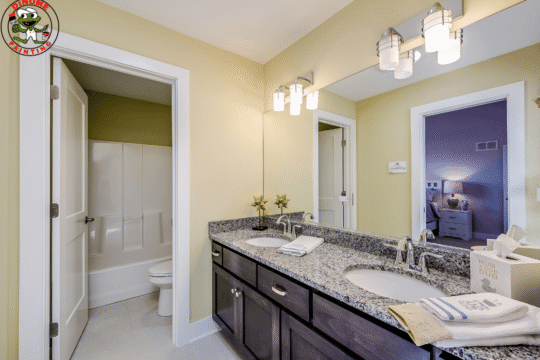
Bathrooms have different requirements from bedrooms and living areas. Steam, humidity, condensation, splashes, and frequent cleaning can put considerable stress on painted surfaces.
When comparing the Best Paint for Bathroom Walls, don’t look at color alone. The formulation and finish matter just as much.
Bathroom-specific paints are designed for high-humidity environments, and some products provide mildew-resistant properties. Benjamin Moore, for example, offers Aura Bath & Spa, a coating specifically designed for high-humidity spaces.
What Should You Choose?
For many bathrooms, satin is a practical choice because it provides a balance between durability, cleanability, and appearance. Semi-gloss can also be useful for areas exposed to more moisture or frequent cleaning. Consumer Reports similarly note that satin and semi-gloss finishes are easier to clean and less likely to provide favorable conditions for mold than flatter finishes.
However, painting alone can’t solve the moist problem.
If a bathroom has poor ventilation, recurring mildew, peeling paint, or damp walls, address the underlying issue before repainting. Painting over existing mildew without proper preparation can allow the problem to return and may contribute to peeling.
Prepare the Walls Before Applying New Color
Even premium paint cannot compensate for poor surface preparation.
Before painting, inspect the walls for:
- Cracks
- Nail holes
- Peeling paint
- Water stains
- Grease or dirt
- Previous patching
- Mildew or discoloration
Clean the surface, repair imperfections, sand where appropriate, and prime areas that require it.
This step may not be the most exciting part of a painting project, but it has a major impact on the finished appearance.
A freshly painted wall should look smooth and consistent rather than simply covered in a new color.
Think About the Ceiling, Trim, and Doors
The room’s walls don’t exist in isolation.
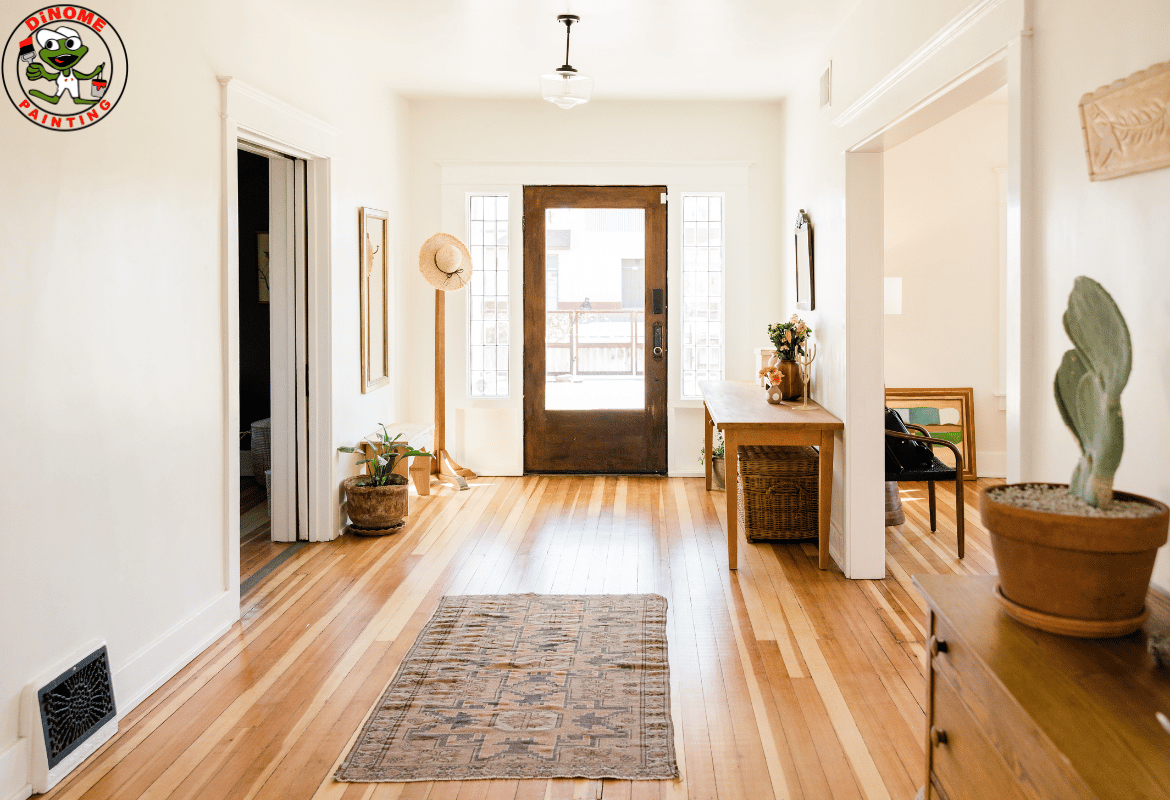
Bright white trim creates stronger contrast and can make wall colors appear more pronounced. Softer cream or off-white trim produces a gentler transition, which can work beautifully with warm neutrals and earthy colors.
The ceiling matters too. A traditional white ceiling can make a room feel taller and brighter, while using a very subtle variation of the wall color can create a more enveloping appearance.
Doors, baseboards, window trim, and built-ins should also be considered before selecting your final color.
Use Color to Connect the Whole Home
One of the easiest ways to make a home feel professionally designed is to avoid treating every room as a separate project.
You don’t need identical walls throughout the house. Instead, create a visual relationship between spaces.
For example, a warm neutral in the hallway can transition into a muted green bedroom. A soft cream can connect the kitchen and living area, while a deeper accent color adds character to a study or dining room.
Repeated undertones, wood tones, fabrics, and accent colors can make different rooms feel connected without becoming repetitive.
Know When Professional Preparation Makes Sense
Some painting projects are straightforward. Others involve old wallpaper, damaged drywall, multiple layers of previous paint, or difficult surfaces.
Wallpaper removal deserves particular attention. Pulling off old wallpaper without understanding what’s underneath can damage drywall or leave behind adhesive that affects the new finish.
If you’re dealing with extensive wallpaper, damaged surfaces, or a larger renovation, working with a professional can save considerable time and help prevent costly mistakes.
An experienced Wallpaper Removal Company Long Island can assess the existing surface, remove old coverings carefully, prepare the walls, and help create a clean foundation for the next finish.
Final Thoughts
Choosing the right paint isn’t simply about finding a color that looks attractive on a swatch. The best results come from considering the entire room its lighting, purpose, furnishings, surface condition, moisture level, and surrounding colors.
Start with the atmosphere you want to create. Narrow your choices by looking at undertones and lighting. Test large samples before committing, select the appropriate finish for each space, and never overlook preparation. Most importantly, give your walls the same attention you’d give the rest of your home. With thoughtful color selection and quality preparation, a fresh coat of paint can do much more than changing the walls it can completely change how a room feels.