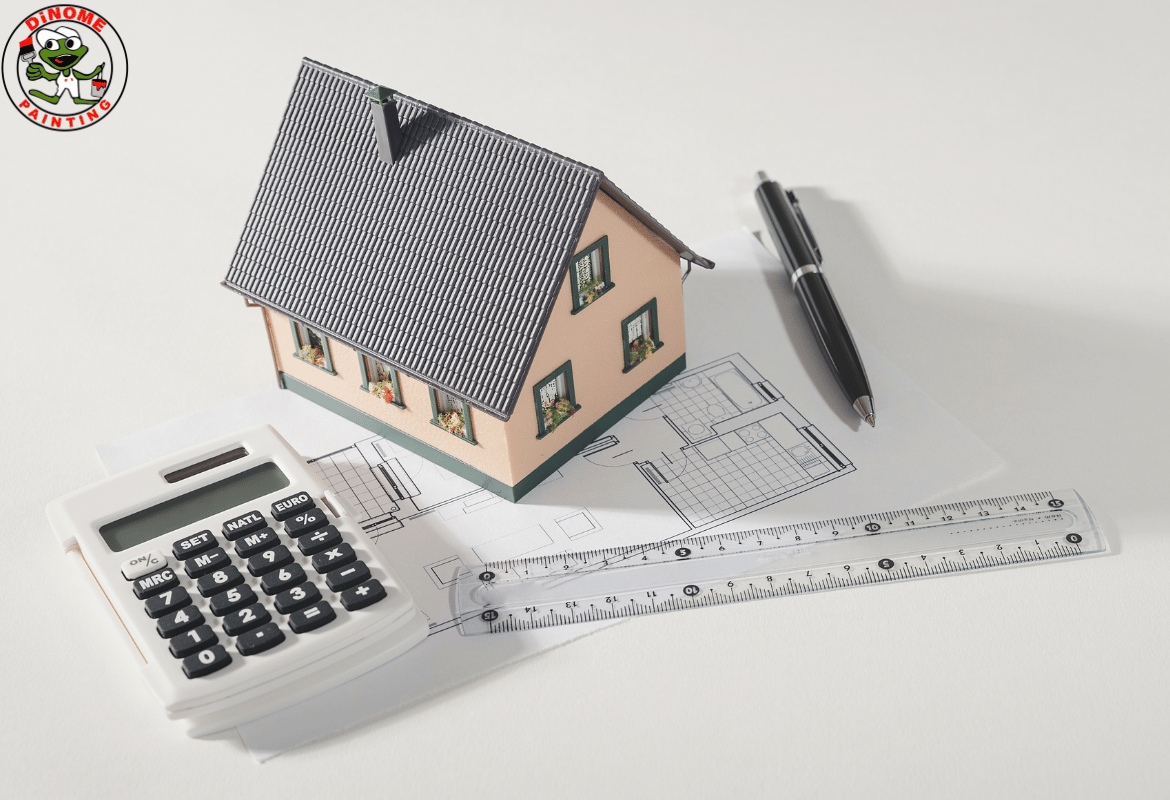
A fresh coat of paint is one of the most effective ways to transform your home, improve curb appeal, and protect your investment. Whether you’re refreshing a single room or updating your home’s exterior, planning your budget carefully can make the entire process smoother and more rewarding. Homeowners often underestimate the true cost of a painting project, only to encounter unexpected expenses halfway through the job. With a little preparation, you can avoid those surprises and achieve professional-quality results without overspending.
One of the smartest ways to maximize your investment is to choose quality materials and skilled workmanship that help your Exterior Paint Last Longer, reducing maintenance costs and extending the life of your home’s finish. By understanding the factors that influence pricing, you’ll be better equipped to make informed decisions and prioritize the features that matter most.
Why Budgeting Before You Paint Matters
Painting isn’t just about choosing colors it’s about planning for the entire process. A realistic budget helps you determine what work can be completed, compare contractor estimates confidently, and avoid financial stress once the project begins.
Proper budgeting also allows you to:
- Prioritize essential repairs before painting.
- Select paint products that fit your long-term goals.
- Prepare for labor and material costs.
- Allocate funds for unforeseen issues.
- Achieve a finished look that enhances your home’s value.
When you begin with a clear financial plan, every decision becomes easier throughout the project.
Define the Scope of Your Project
Before requesting estimates, identify exactly what you want painted. The scope of work directly impacts the final cost.
Ask yourself questions such as:
- Are you painting the interior, exterior, or both?
- Will ceilings, trims, and doors be included?
- Do cabinets require refinishing?
- Are accent walls or specialty finishes desired?
- Does the project involve multiple rooms or an entire home?
Creating a detailed list helps contractors provide accurate quotes while minimizing unexpected additions later.
Understand the Biggest Cost Factors
Several variables influence the overall price of a professional painting project.
Home Size
Larger homes naturally require more paint, more labor, and additional preparation time. Square footage remains one of the biggest pricing factors.
Surface Condition
Walls that have cracks, peeling paint, dents, or water damage require repair before painting begins. Proper preparation ensures smooth finishing and improves paint durability.
Paint Quality
Higher-quality paints generally cost more upfront but often provide:
- Better coverage
- Richer color
- Greater resistance to fading
- Improved washability
- Longer-lasting protection
Choosing premium products can reduce repainting frequency over time, making them a worthwhile investment.
Labor
Experienced painting professionals charge for their expertise, efficiency, and attention to detail. While lower-priced estimates may seem attractive, they may exclude important preparation work or use lower-grade materials.
Accessibility
Projects involving high ceilings, stairwells, multi-story exteriors, or detailed architectural elements typically require additional equipment and labor, increasing costs.
Don’t Overlook Surface Preparation
Preparation is often the most time-consuming stage of any painting project, but it’s also the most important.
Professional preparation may include:
- Cleaning surfaces
- Scraping loose paint
- Sanding rough areas
- Filling nail holes
- Repairing drywall
- Caulking gaps
- Priming stained surfaces
Skipping these steps may reduce initial costs, but it often leads to peeling, uneven finishes, and premature paint failure.
Plan for Hidden Expenses
Even with a detailed estimate, some issues may only become visible once work begins.
Common unexpected costs include:
- Water damage repairs
- Wood replacement
- Mold remediation
- Additional coats of paint
- Wallpaper removal
- Drywall patching
- Trim replacement
Setting aside a contingency fund of approximately 10-15% of your overall budget can help cover these surprises without disrupting the project.
Compare Estimates Carefully
When gathering quotes, don’t automatically choose the lowest price.
Instead, compare what’s included in each proposal.
Look for details such as:
- Surface preparation
- Number of paint coats
- Paint brand and finish
- Cleanup services
- Warranty coverage
- Estimated completion timeline
A transparent estimate demonstrates professionalism and reduces misunderstandings once work begins.
Smart Ways to Reduce Painting Costs
Saving money doesn’t necessarily mean sacrificing quality.
Consider these practical strategies:
Schedule During Slower Seasons
Painting contractors may have greater scheduling flexibility during less busy periods, which can sometimes result in more competitive pricing.
Complete Minor Preparation Yourself
Moving furniture, removing decorations, and clearing work areas before painters arrive can reduce labor time.
Paint Multiple Areas Together
Combining several rooms or completing both interior and exterior work at once may lower overall project costs compared to scheduling separate jobs.
Keep Existing Colors When Appropriate
Changing from dark to light shades or vice versa often requires additional coats of paint. Staying within a similar color family can reduce both material and labor expenses.
Invest in Professional Expertise
Hiring experienced painters often proves more economical over time.
Professionals know how to:
- Properly prepare surfaces
- Apply paint evenly
- Recommend suitable products
- Identify hidden issues early
- Deliver consistent, high-quality finishes
Their expertise minimizes mistakes that could require costly repairs later.
Consider Additional Home Improvement Services
Many homeowners choose to combine painting with complementary upgrades while contractors are already on-site. Services such as drywall repair, trim installation, wallpaper removal, and decorative finishes can improve both appearance and functionality.
Working with companies that provide Painting and Wallpaper Services Southampton allows homeowners to coordinate multiple improvements efficiently, reducing scheduling challenges while creating a cohesive finished look.
Creating a Realistic Budget Breakdown
Although every project differs, dividing your budget into categories helps you stay organized.
Typical expenses include:
- Paint and Primers
- Surface preparation
- Labor
- Repairs
- Equipment
- Cleanup
- Contingency fund
Tracking each category also makes it easier to compare contractor estimates and identify areas where adjustments can be made if necessary.
Questions to Ask Before Hiring a Painter
Before signing a contract, ask important questions such as:
- Are you licensed and insured?
- What preparation work is included?
- Which paint brands do you recommend?
- How many coats will be applied?
- Is cleanup included?
- Do you provide a written warranty?
- How will unexpected repairs be handled?
Clear communication at the beginning prevents misunderstandings later.
Focus on Long-Term Value Instead of Lowest Price
It’s tempting to choose the cheapest estimate, but long-term value should always be the priority.
Quality workmanship, premium materials, and thorough preparation often produce finishes that last significantly longer, reducing future maintenance costs and preserving your home’s appearance.
A professionally completed painting project not only improves aesthetics but also protects surfaces from moisture, sunlight, and everyday wear.
Conclusion
Budgeting for a professional home painting project doesn’t have to be overwhelming. By understanding the scope of work, accounting for preparation and repair costs, comparing detailed estimates, and planning for unexpected expenses, you can move forward with confidence. Remember that the lowest quote isn’t always the best investment. Skilled professionals, quality materials, and careful planning often deliver better results that stand the test of time. Whether you’re refreshing living spaces, improving curb appeal, or updating interior features, thoughtful budgeting helps ensure every dollar contributes to lasting value. If your renovation plans include refinishing built-in storage or kitchen surfaces, choosing Professional Painting Cabinets Long Island can provide a durable, polished finish that enhances both style and functionality while complementing the rest of your home’s transformation.