
How to Paint Your Home in Winter Without Peeling or Cracks
For many homeowners, the arrival of winter signals a time to retreat indoors, cozy up by the fire, and put home improvement projects on the back burner until the spring thaw. There is a long-standing myth in the world of renovation that painting during the winter is a recipe for disaster. However, as we head into 2026, advancements in paint technology and a better understanding of environmental control have changed the game.
If you’ve been staring at a dull living room or a weathered front door, you don’t necessarily have to wait for May. But you do need to change your strategy. Painting in the winter isn’t just “painting in a jacket” it’s a different science entirely.
In this guide, we’ll break down exactly how long it takes for paint to dry in the cold, the regional risks you need to know, and the professional secrets to making a winter painting job last for a decade.
Why Cold Weather Changes Everything
To understand why winter painting is tricky, you first must understand how paint works. Paint isn’t just “colored water” that sits on a wall; it’s a complex mixture of pigments, binders, and solvents. For paint to become a durable, protective shell, those solvents must evaporate at a steady rate so the binders can fuse together.
When the temperature drops, this process slows to a crawl. In ideal conditions (about 70°F), the water or oil in the paint evaporates quickly, allowing you to hit that second coat in a few hours. In the winter, the cold air holds less moisture and the molecules move slower. This can lead to a variety of “failures”:
- Surfactant Leaching: Those brownish, sticky spots that appear when paint stays wet too long.
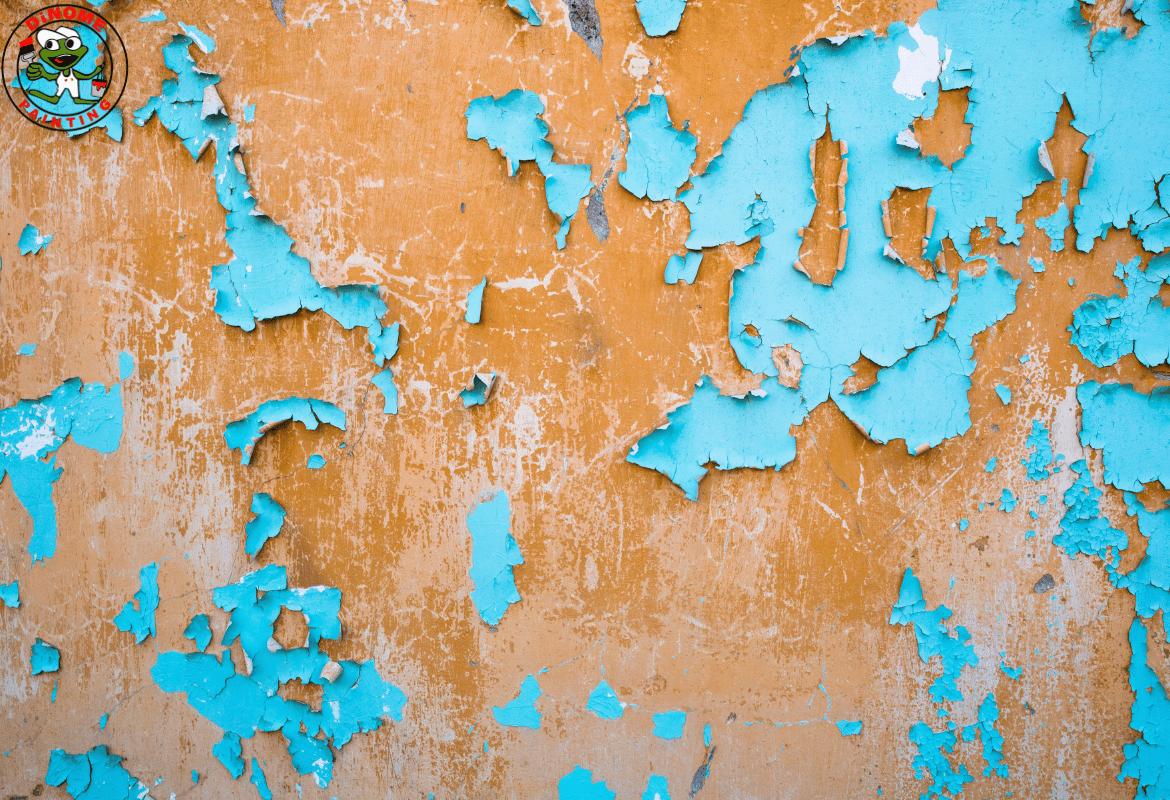
- Poor Adhesion: The paint “freezes” or skins over the top before it actually bonds to the wall, leading to peeling within months.
- Cracking: If the temperature fluctuates wildly while the paint is still “tender,” it can spiderweb and crack.
How Long Does It Actually Take? (The Timelines)
The most common question homeowners ask is: How long do I have to wait between coats? In the summer, you can often knock out a room in a single day. In the winter, you need to rethink your calendar.
Interior Painting
Inside your home, you have the advantage of climate control, but don’t be fooled by the walls themselves, which are often much colder than the air in the room.
- Standard Drying: While latex paint might feel “dry to the touch” in two hours during July, in January, it can take 6 to 8 hours to be ready for a recoat.
- The 2026 Update: Modern low-VOC (Volatile Organic Compound) paints are better for your lungs, but they can be slightly more sensitive to humidity. If you’re running a humidifier for your health during the winter, turn it off 24 hours before painting to help the paint cure faster.
Exterior Painting
Exterior work is where the timeline gets dramatic.
- Standard Drying: In temperatures between 35°F and 50°F, you should expect a minimum of 24 to 48 hours between coats.
- The Risk Factor: If the temperature drops below freezing at night, the curing process stops entirely. If the paint hasn’t reached a certain level of hardness, the water inside the paint film can freeze, expanding and destroying the finish before it ever had a chance.
Regional Realities: Is Your Climate Compatible?
According to recent data and professional insights from crews across the country, your success depends largely on your zip code.
- The Northeast & Midwest: Here, winter is “Interior Season.” With temperatures frequently dipping into the negatives, exterior painting is almost impossible without expensive heated enclosures. However, because it’s the “off season,” you can often find professional crews like DiNome offering significant discounts.
- The South: In states like Florida or Texas, winter is the preferred time for exterior painting. The humidity is lower than the sweltering summer months, and the temperatures are often in the “Goldilocks zone” (50°F–70°F).
- The Pacific Northwest: It’s not the cold that kills the project here; it’s the moisture. If the humidity is above 70%, the paint simply won’t dry. You need to wait for a “clear window” of at least three dry days.
Professional Tips for a Flawless Winter Finish
If you decide to brave the cold, follow these professional-grade tips to ensure your hard work doesn’t peel away by April.
1. The “Sun-Chaser” Technique
In the summer, painters follow the shade to keep the paint from drying too fast. In the winter, you do the opposite. Start painting on the side of the house that will get the most direct sunlight in the morning. This warms the substrate (the wood or siding) and gives the paint a head starts on curing.
2. Invest in “Cold-Set” Paints
Don’t grab the bargain bucket at the hardware store. Major brands now offer specialized “low-temp” versions of their premium lines. These are chemically formulated to cure temperatures as low as 35°F. They cost a bit more, but they are the difference between success and a total loss.
3. Monitor the “Dew Point”
This is a technical step that professionals never skip. Painting should never be applied if the temperature is within 5 degrees of the dew point. In the winter, as evening approaches, moisture in the air will settle on your fresh paint as dew or frost. If this happens while the paint is wet, it will ruin the gloss and the bond. Rule of thumb: Stop painting by 2:00 PM to give the paint a few hours of daylight to “set.”
4. Master the Indoor Airflow
When painting indoors during winter, the temptation is to crank the heat to 80°F and seal the doors. This is a mistake. Without airflow, the air becomes saturated with moisture from the drying paint, and the process stalls. Use a “box fan” in a window (cracked just slightly) to pull the fumes out and use a second fan to circulate air across the walls, not directly at them.
The Hidden Perks of Winter Painting
While the drying times are longer, there are some massive benefits to being a “Winter Warrior”:
- Lower Costs: Contractors often have “winter rates” to keep their best employees busy during the slow months. You can save 10-20% on labor costs.
- Immediate Availability: Instead of waiting six weeks for a reputable crew, you might get them to start next Tuesday.
- Better Visibility: For exterior work, the lack of foliage on trees and bushes makes it much easier to access every nook and cranny of your home’s side.
Final Thoughts: To Paint or Not to Paint?
If you are looking to refresh your interior, winter is arguably the best time to do it. You’ll save money, get the best crews, and have a fresh home just in time for the new year.
If you are looking at exterior work, proceed with caution. Unless you live in a mild climate or are using high-end cold-weather products, waiting for the 50-degree days of spring is usually the smarter bet.
Painting is an investment in your home’s value and your own happiness. By respecting the thermometer and giving your paint the extra time it needs to dry, you can achieve a professional, lasting finish regardless of the snow on the ground.
Ready to start? Just remember in the winter, the most important tool in your kit isn’t a brush, it’s a thermometer.

There are many variations of passages of Lorem Ipsum available, but the majority have suffered alteration in some form, by injected humour.